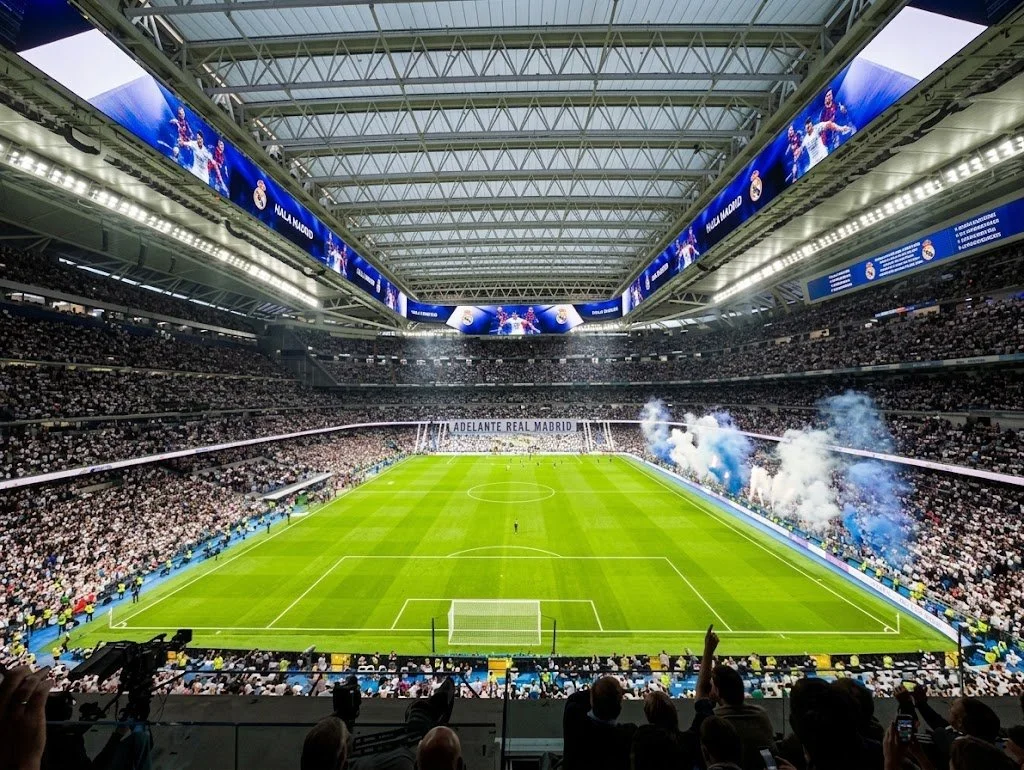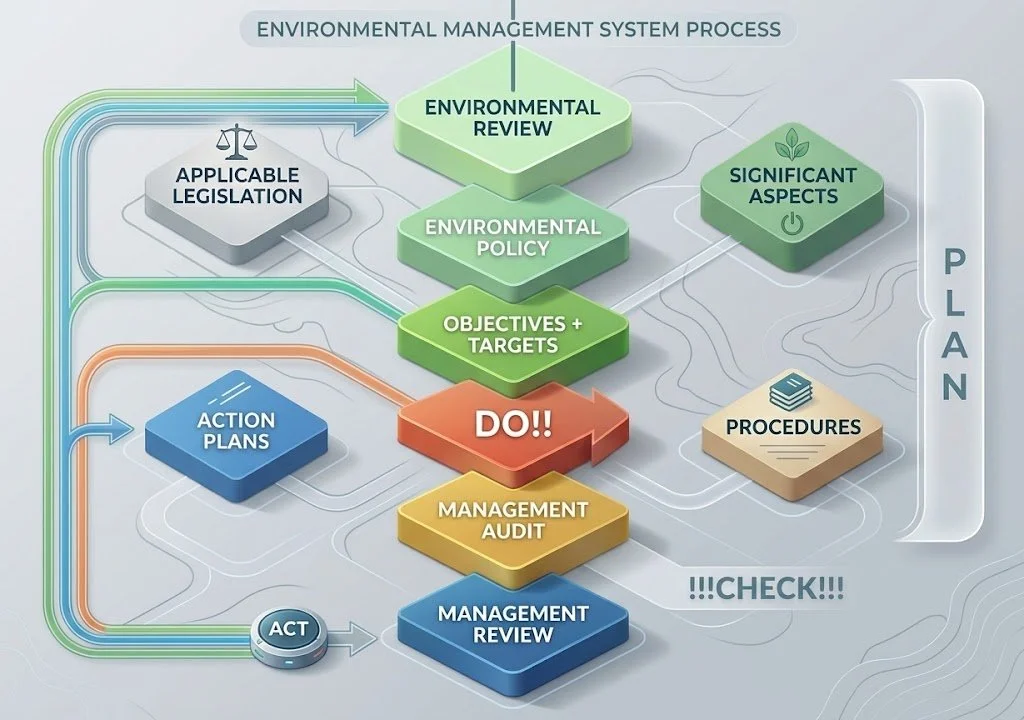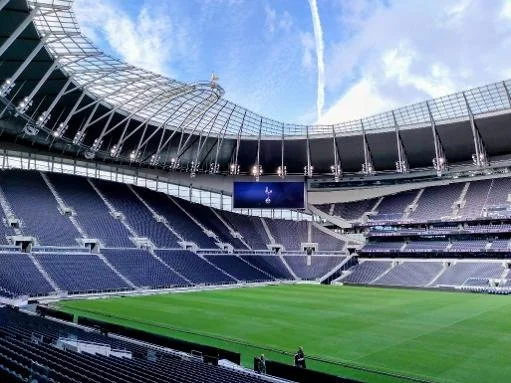
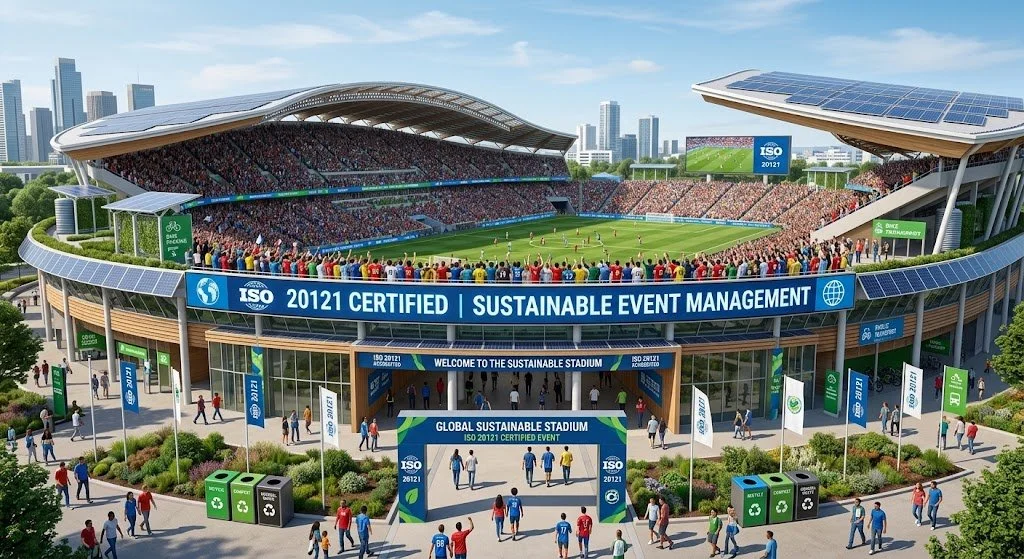
The ISO20121 standard, originally conceptualised around the London 2012 Olympic Games, provides a management system framework for integrating environmental, economic, and social sustainability into event planning and venue operations. For sports stadia, achieving this certification shifts sustainability from a series of isolated initiatives into a detailed operational model. The update in 2024 now means that it is referred to as ISO20121:2024.
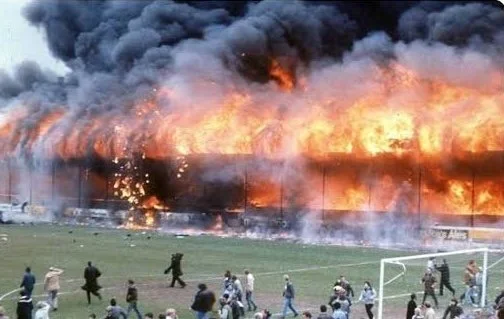
The Bradford tragedy: fire safety at football stadia
UK football stadiums have some of the strictest safety rules in the world. Today's sports stadiums are amazing pieces of engineering, designed to host tens of thousands of fans safely. However, this rigorous standard of safety was hard-won. The evolution of UK fire safety codes for sports venues was largely forged in response to tragedy, with the Bradford City stadium fire of 1985 serving as a critical turning point that transformed stadium architecture, statutory enforcement, and operational procedures across the nation.
Football clubs and the network of value captures framework
The Network of Value Captures provides one of the most comprehensive frameworks for understanding football club management. Rather than viewing football clubs as organisations selling matches, Dolles and Söderman argue that clubs manage interconnected value captures involving teams, players, brands, facilities, merchandise, sponsors, media organisations, supporters, and communities.
Making ISO20121 a little bit easier
For stadium and event managers, ISO20121:2024 offers a structured approach to embedding sustainability into everyday operations while maintaining financial viability and delivering positive stakeholder outcomes. The revised 2024 edition places greater emphasis on inclusivity, human rights, legacy impacts, stakeholder engagement, and continual improvement. Let’s apply it to sports stadia.
Copa America final 2024 and the DIM ICE model
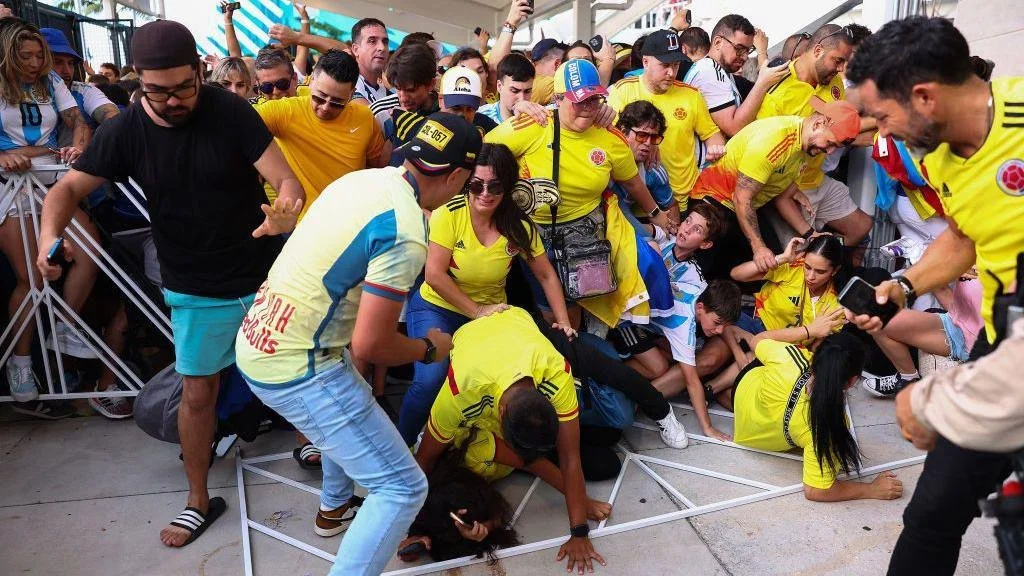
On July 14, 2024, the Copa América Final between Argentina and Colombia at Hard Rock Stadium in Miami Gardens, Florida, collapsed into severe operational chaos. Thousands of unticketed fans stormed the perimeter, breached security checkpoints, climbed air vents, and forced stadium management to delay kick-off by over 80 minutes. Applying Still’s DIM ICE model reveals how critical breakdowns across Design, Information, and Management caused systemic failure.
FIFA's monopolistic behaviour is a result of its financial performance
The Structure-Conduct-Performance (SCP) model is an industrial organisation framework used to analyse the relationship between market structure, firm behaviour (conduct), and economic results (performance). Applying the SCP framework to FIFA gives us an idea how an international governing body leverages a natural monopoly structure to shape strategic conduct and generate unprecedented financial results. Does the market structure influence FIFA’s conduct? (according to the theory)