Understanding Secondary Ticketing
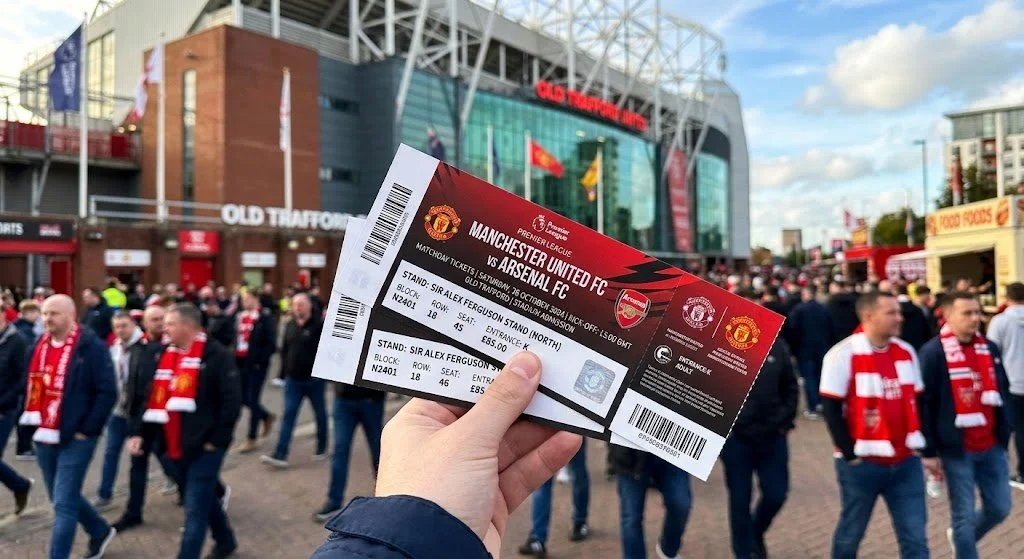
Secondary ticketing refers to the reselling of event admission passes after their initial purchase from an official primary vendor such as a football club or authorised box office. This market operates across various platforms, ranging from digital resale exchanges and social media groups to traditional physical ticket scalping. This is also known as touting.
While secondary markets exist across the entertainment sector, secondary ticketing in professional football presents severe statutory and operational challenges. Because demand for high-profile fixtures sometimes outstrips physical stadium capacity, secondary markets facilitate the sale of heavily inflated, duplicate, or fraudulent passes. Beyond commercial exploitation, unregulated secondary ticketing directly subverts the structural frameworks that govern crowd management and stadium safety.
English Law
Unlike general event ticketing, football ticket reselling in the United Kingdom is strictly regulated by legislation:
Section 166 of the Criminal Justice and Public Order Act 1994: This statute makes it a specific criminal offence for an unauthorised person to sell, offer for sale, or expose for sale a ticket for a designated football match.
Regulatory Intent: Parliament established this statutory ban not primarily as a commercial price-control mechanism, but as a crucial public order and public safety intervention. By restricting ticket distribution exclusively to authorised clubs and bodies, the law ensures that authorities retain control over who enters a stadium and where they are seated.
Digital and Modern Enforcement: To combat modern online scalping platforms and automated buying bots, UK consumer protection frameworks and football governing bodies enforce strict data-tracing and account deactivation mechanisms. When unauthorised secondary tickets are identified, clubs void the digital barcodes, directly affecting stadium entry dynamics on matchdays.
Crowd Safety Principles
Crowd safety science relies on rigorous theoretical models to prevent crushing, surges, and structural failures. Secondary ticketing destabilises these theoretical safety frameworks across three key areas:
1. Disrupting the DIM-ICE Risk Model
Developed by crowd science expert Professor Keith Still, the DIM-ICE model evaluates crowd risks across three distinct operational phases: Design, Information, and Management, evaluated against Ingress, Circulation, and Egress. Unregulated secondary ticketing directly undermines the Ingress / Information matrix:
Ingress Rate Distortions: Stadium entry points are designed around calculated flow rates. You can think of, numbers of persons per turnstile per minute. When duplicate, screenshot, or canceled secondary tickets fail at automated turnstiles, flow rates collapse.
Perimeter Density: As turnstile processing stalls, incoming crowd pressure creates static, high-density queues on outer concourses. This produces dangerous physical compression against outer fencing and search lanes, risking localised crowd collapse before spectators even reach their seats.
2. Undermining Safety Governance
The Guide to Safety at Sports Grounds, published by the Sports Grounds Safety Authority, forms the technical foundation for stadium safety in the UK.
Capacity and Flow Limits: The Guide to Safety at Sports Grounds establishes physical safety limits based on calculated safe capacities for specific stands, stairwells, and gangways.
Distorted Attendance: When scalpers duplicate valid barcodes or facilitate multi-person access through compromised gates, over-capacity may occur. Exceeding designated stand capacities blocks gangways, restricts emergency egress routes, and places undue load on physical barriers.
3. Fan Segregation Controls
A fundamental safety principle in modern football ground management is strict fan segregation, maintained to prevent rival supporter conflict and sudden, reactive crowd surges.
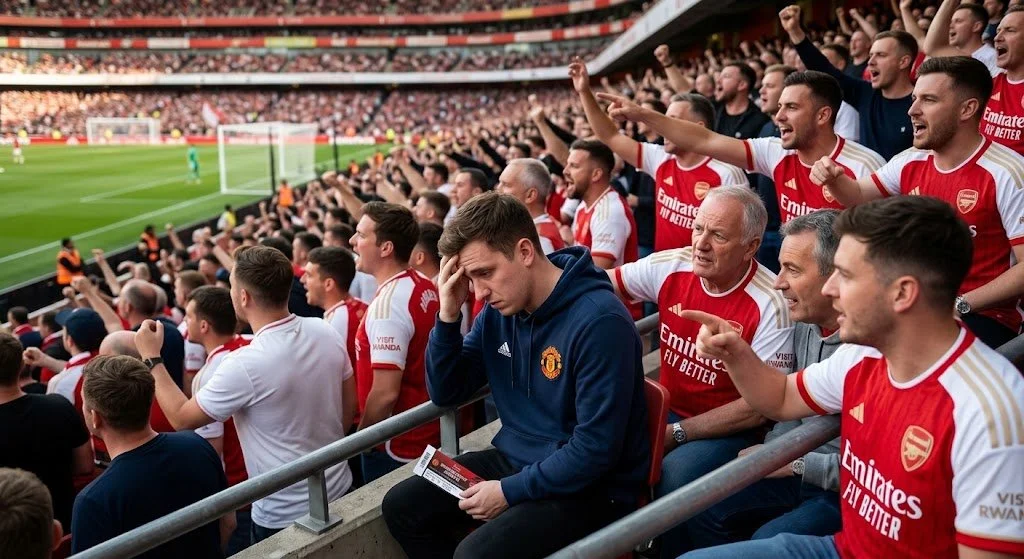
Unregulated secondary platforms bypass club membership verification, enabling away supporters to purchase seating inside home-only enclosures.
Infiltrating designated home areas leads to localised violence, sudden lateral crowd displacement, and physical crushing as spectators attempt to retreat from conflicts. This forces stewards and police forces to deploy reactive containment measures that disrupt planned crowd circulation.
In Summary
Secondary ticketing in football is fundamentally a safety issue rather than a simple commercial dispute. By causing turnstile rejections, generating outer-perimeter crowd bottlenecks, undermining the Guide to Safety at Sports Grounds capacity parameters, and compromising fan segregation, unauthorised ticket reselling directly weakens the structural safety controls required to protect human life at football grounds.