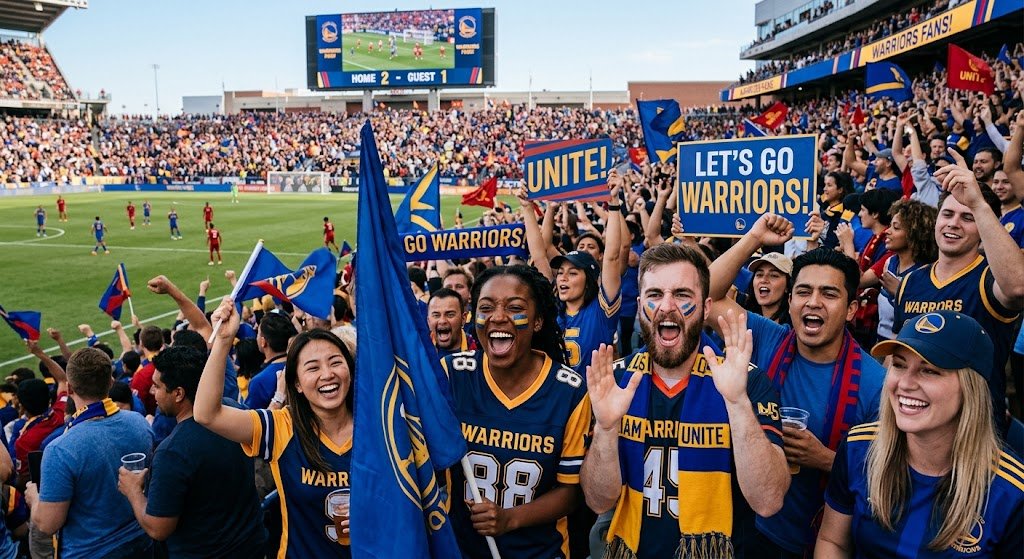
The Sport Spectator Satisfaction Model (SSSM) goes further than other consumer behaviour frameworks to account for the volatile and emotional environment of live sport. Developed by Van Leeuwen, Quick, and Daniel (2002), the model acknowledges that unlike standard products or services, a sport team cannot guarantee its core outcome (a win).
To build fan loyalty and drive re-attendance, sports organisations must balance both the core product (the game) and the peripheral product (the stadium/event experience) while leveraging psychological moderators like team identification.
Core Dimensions of the SSSM
1. Core Service Experience (The On-Field Product)
This represents the primary event: the competition, skill level, tactical drama, and match result. Because teams cannot control whether they win or lose, relying solely on on-field performance creates high financial volatility.
2. Peripheral Service Experience ("Sportscape")
These are all non-game elements within the stadium ecosystem under management control. Derived from Wakefield, Blodgett and Sloan’s Sportscape Framework (1996), this includes:
Facility Layout & Design: Access, seating comfort, sightlines, and crowd management.
Electronics & Technology: Scoreboards, high-speed Wi-Fi, connectivity, and giant displays.
Food & Beverage: Quality, speed of service, local vendor integrations, and pricing.
Entertainment & Atmosphere: In-game shows, mascot interactions, music, and lighting.
3. Psychological & Moderating Factors
Team Identification: Fans with high team identification view the team as an extension of their personal identity. High identification cushions the negative disconfirmation of a loss.
Social Interaction & Vicarious Achievement: Basking in Reflected Glory (BIRGing) allows fans to feel personal achievement through team success, boosting affective satisfaction.
Applying SSSM to Stadiums
Mitigating Core Product Failure
Theory application: When the core product fails (a losing streak), peripheral satisfaction must compensate to prevent negative disconfirmation.
Tottenham Hotspur Stadium (London). Tottenham Hotspur built a state-of-the-art facility featuring Europe's longest continuous bar (The Goal Line Bar), an in-house microbrewery, and bottom-up beer filling technology. By optimising peripheral service efficiency and entertainment, the club maintains top-tier game-day revenue and high spectator satisfaction regardless of on-pitch results or tactical slumps.
Technology Integration & Digital Sportscape
Theory application: Expectations for peripheral service evolve over time. Modern spectators demand seamless digital integration alongside physical comfort.
SoFi Stadium (Los Angeles). SoFi Stadium features a 70,000-square-foot double-sided 4K HDR Oculus display alongside 5G connectivity. By integrating digital touchpoints directly into the seating environment, the stadium caters to younger, tech-driven sports consumers whose peripheral expectations extend far beyond basic seating and concessions.
Leveraging Team Identification & Ritual
Theory application: Strong social belonging and ritual increase emotional resilience against bad performances.
Borussia Dortmund (Signal Iduna Park). The "Yellow Wall" (Südtribüne) holds 25,000 standing supporters. Dortmund intentionally keeps standing-ticket prices low to preserve fan culture and social atmosphere. This high level of community identification reinforces spectator satisfaction through shared identity and vicarious achievement, even when facing financial or competitive disparities against larger European rivals.
Keeping spectators satisfied
Based on the Sport Spectator Satisfaction Model (SSSM), there are 2 main points to consider:
Invest heavily in the "Sportscape" to decouple revenue from match results: Because on-field wins cannot be guaranteed, stadia must maximise peripheral service experiences such as state-of-the-art tech displays, efficient food/beverage systems, and in-game entertainment, to keep spectator satisfaction and game-day revenue high even during losing streaks.
Foster and protect social identity and stadium rituals to build fan resilience: Stadia should design environments and pricing strategies that cultivate community belonging (dedicated standing sections or fan traditions), as strong team identification buffers fans against the negative emotional impact of a loss.